A Replica of The Larabanga Ancient Mosque - A Reflection of Faith & Belief
In the early 14th–15th centuries, the Islamic religion came to present-day Ghana territories through the Sahelian trade routes by the Mande Nbgaye clan from Mali, after the fall of Songhai and Malinke rule in the late 13th–14th centuries.
The founder of the Larabanga community, Ibrahim, is said to have migrated from Madina in Saudi Arabia, purposely to spread the Islamic religion.
On his mission, he spent some time in Sudan before proceeding to Mali, where he eventually served as a spiritual consultant to the leader of the Mande Nbganya clan, known as Jakpa.
Jakpa found it extremely complicated battling several ethnic groups with the aim of attaining a vast, fertile land for farming. In order to be victorious, Jakpa decided to seek spiritual help. Fortunately for him, he met Ibrahim, a devoted Muslim and scholar with so much wisdom.
After a brief consultation, Ibrahim made spiritual consultations and promised to lead Jakpa and his subordinates to a very peaceful, permanent settlement.
They made it to present-day Ghana and formed the Gonja Kingdom.
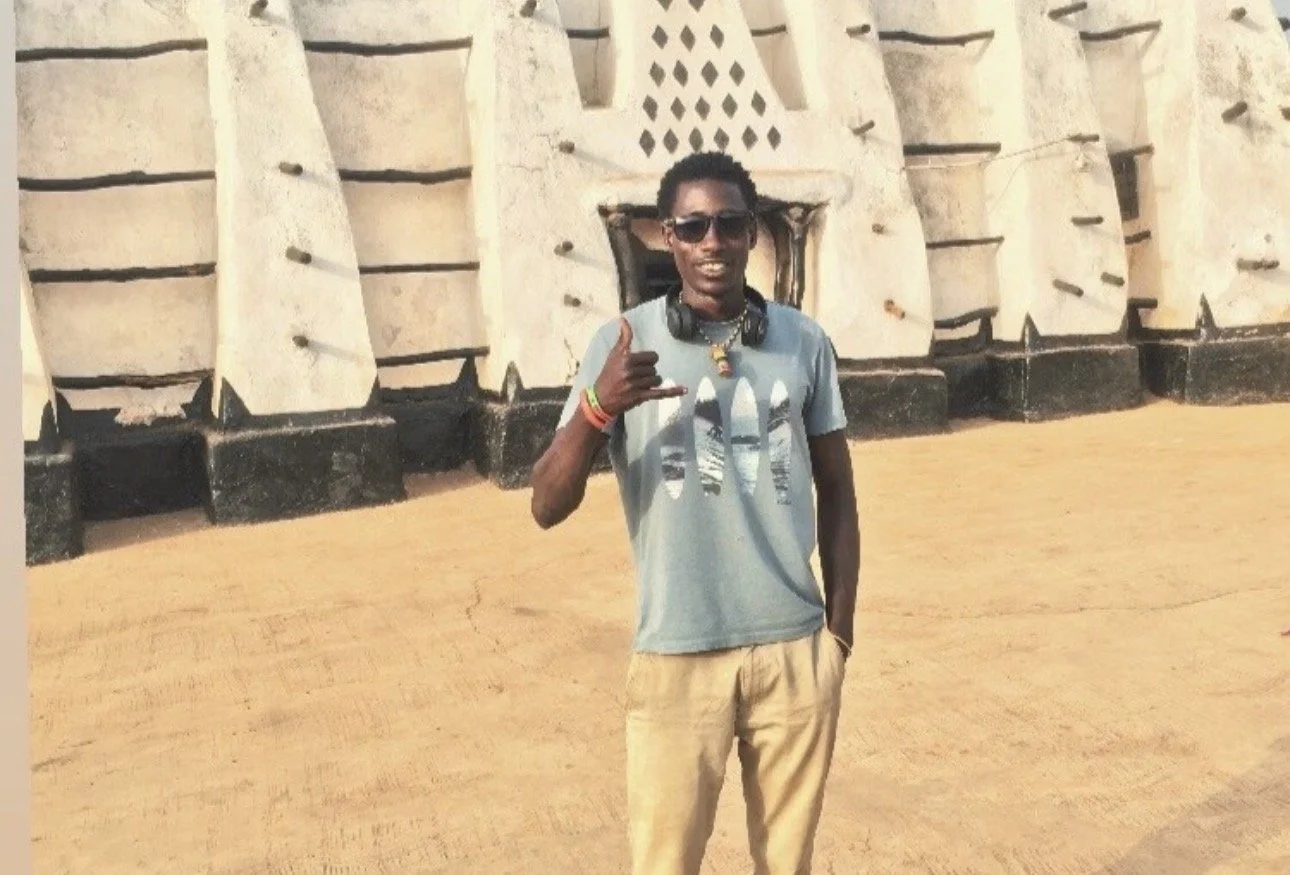
Ibrahim stayed and could not make it back to Saudi Arabia. He decided to share his knowledge with the people and build a family. He later put up the Larabanga Ancient Mosque in Sudanese architectural design. He founded the Larabanga community and eventually spent the rest of his life within the Gonja Kingdom.
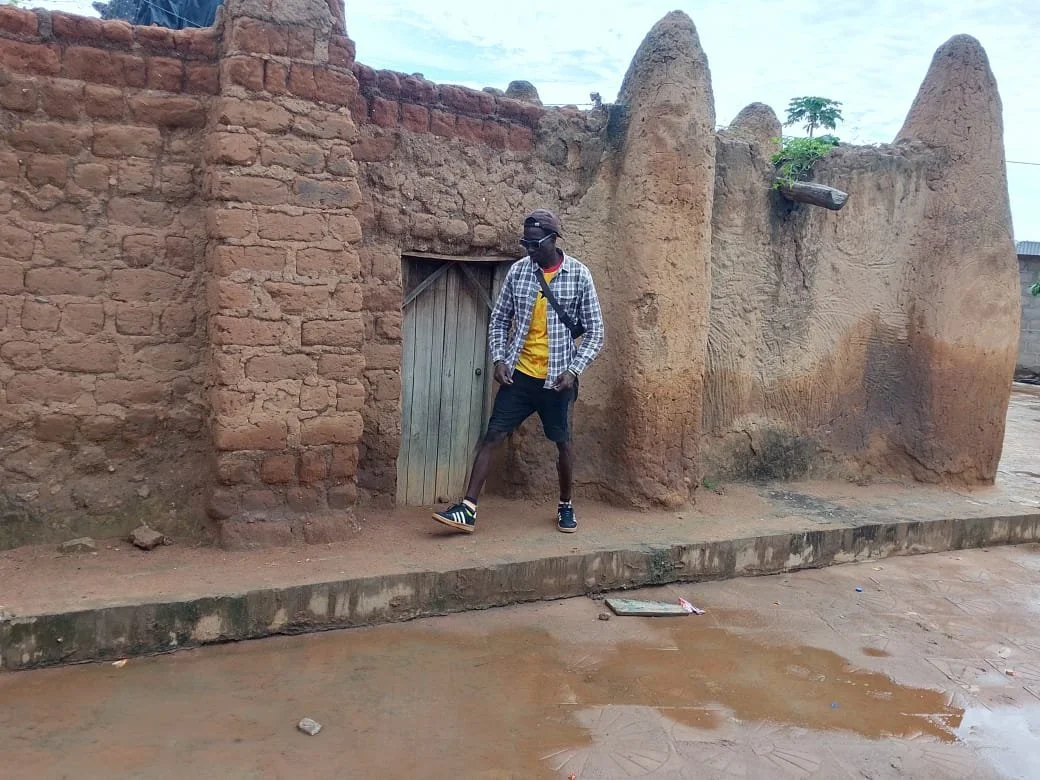
Over a period of time, people within the Gonja Kingdom and beyond replicated the architectural design of the Larabanga Ancient Mosque in their various communities, and that resulted in the numerous replicas.
The Larabanga Ancient Mosque is the oldest in Ghana and one of the oldest in West Africa, at over 600 years old.
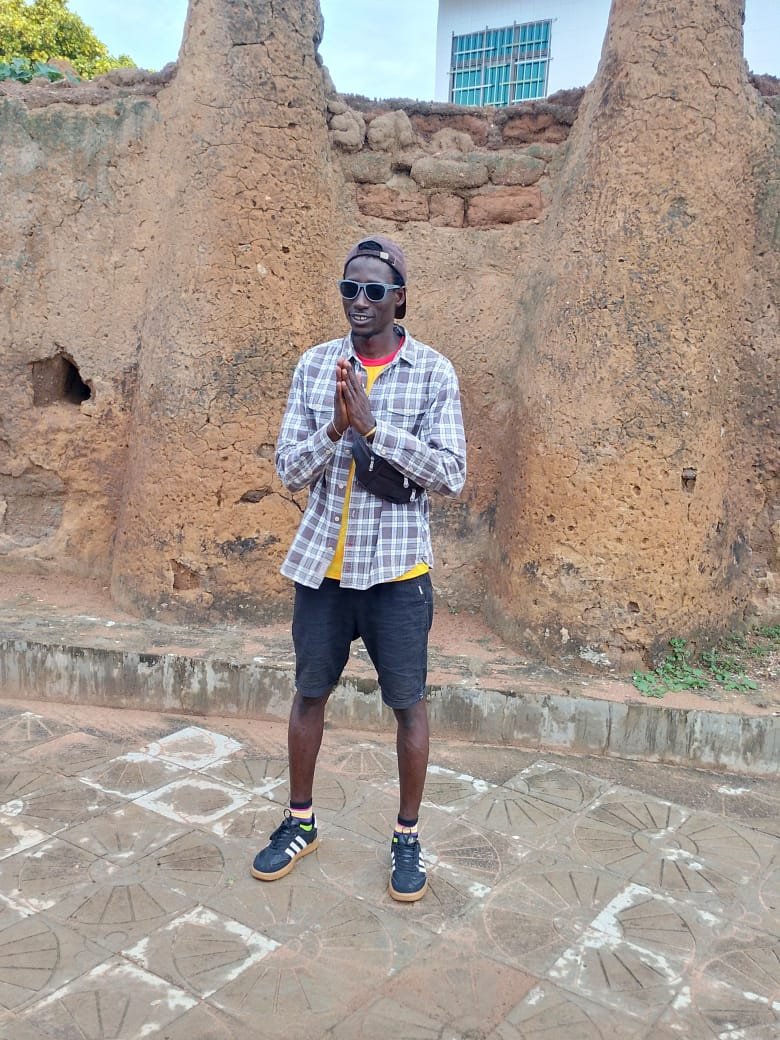
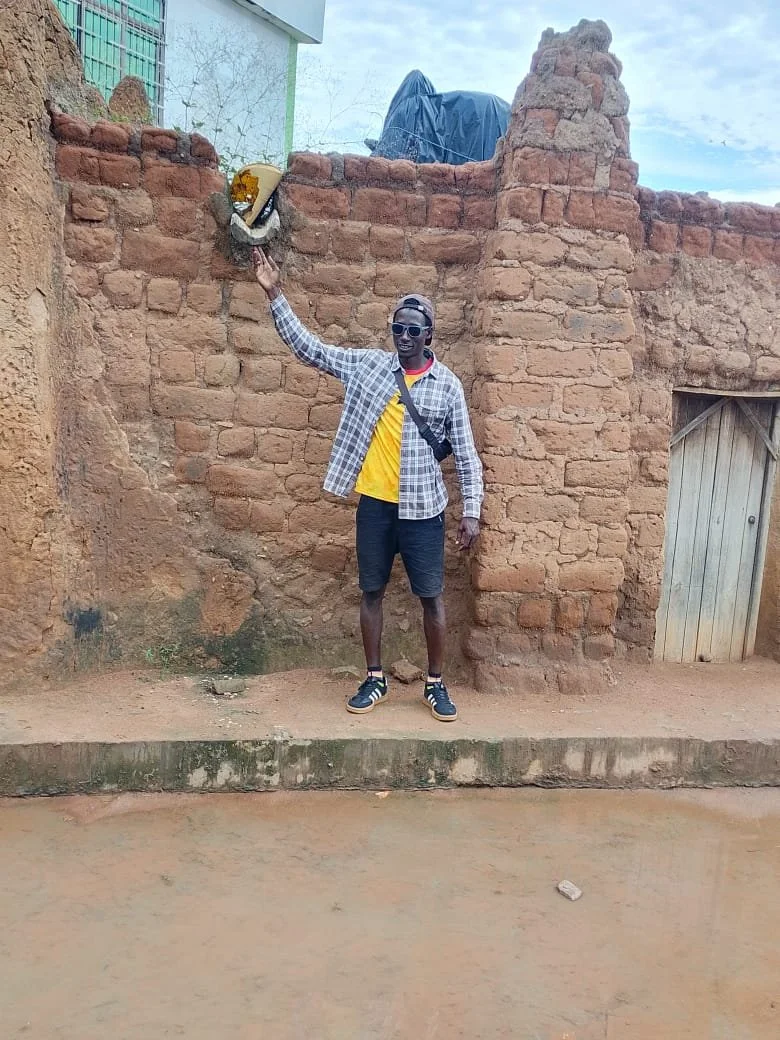
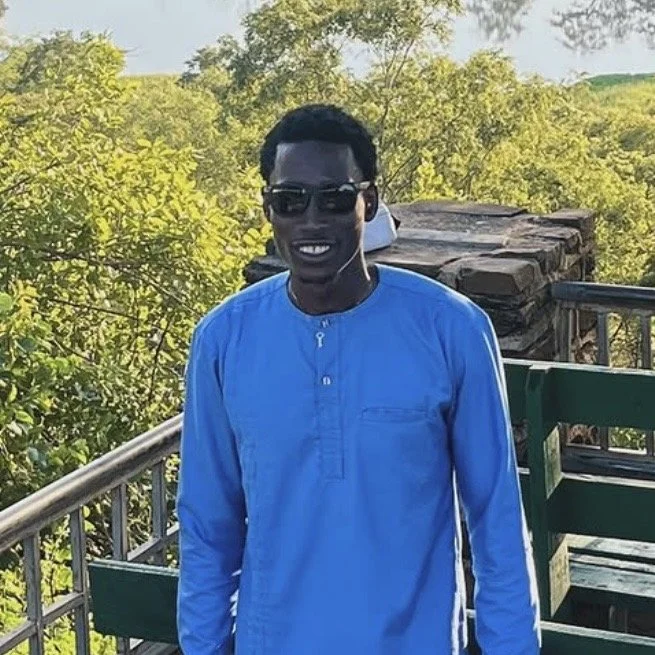
In these pictures, a replica of the Larabanga Ancient Mosque can be seen in Bouna, Côte d’Ivoire, a border town to Ghana through the Gonja Kingdom.